Ways To Use The Indian Stock Trading App For First Time Users
Starting with the stock market can seem unfamiliar when you are using digital investment tools for the first time. Understanding how orders, holdings, prices, and market information work can make the initial experience easier to manage.
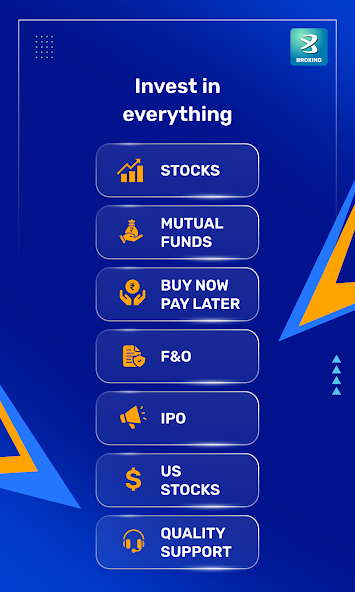
For new investors, a Trading App can provide access to market information and investment services from one place. An Indian Stock Trading App may also help users check prices, review holdings, follow market movements, and manage transactions after completing the required account setup.
Understand the Main Features First
Before placing any order, spend some time exploring the different sections available on the platform. Most stock trading platforms provide areas for watchlists, market prices, orders, holdings, portfolio information, and transaction history.
Knowing where these features are located can prevent confusion later. New users should also check whether the platform provides information about brokerage, taxes, other applicable charges, and order types.
It is useful to understand the difference between available funds, invested amounts, and the current value of holdings. These figures can change depending on market movements and completed transactions.
Create a Personal Watchlist
A watchlist allows users to follow selected securities without immediately buying them. Instead of monitoring many companies at once, beginners can start with a small number of companies or market instruments that they understand.
A watchlist can include the current price, daily movement, and other available market information. Reviewing these changes over several trading sessions can help new users become familiar with how prices move during market hours.
The purpose of a watchlist is observation rather than automatically deciding to invest. Users can use this feature to study price changes and understand how news and market activity may affect securities.
Learn How Different Orders Work
Understanding order types is an important step before making a transaction. A market order generally aims to execute at the available market price, while a limit order allows the user to specify the price at which they are willing to buy or sell.
There may also be other order options depending on the platform and security. Each option can have different conditions, so users should read the displayed details before confirming an order.
Beginners should avoid placing an order simply because a price is moving quickly. Taking a moment to check the quantity, price, order type, and transaction details can reduce avoidable mistakes.
Check the Order Details
Before submitting an order, review the security name, quantity, price, and order type. If the platform displays estimated charges or other information, check those details as well.
After submitting an order, users can normally view its status in the orders section. An order may be completed, pending, cancelled, or rejected depending on the circumstances.
Track Holdings After Buying
Once a transaction is completed, the security may appear in the holdings section. This area helps users see what they currently own and review the value of their investments.
New users should learn the difference between holdings and open orders. A security shown under holdings generally represents a completed purchase, while an open order has not necessarily been completed.
Checking transaction history can also help users understand when a purchase or sale took place. Keeping track of these records can make it easier to review investment activity over time.
Use Market Information Carefully
Stock trading platforms often provide information such as price movements, trading volume, company details, charts, and market updates. These features can help users conduct their own research.
However, beginners should avoid relying on a single figure or short-term price movement when making an investment decision. A company can experience daily price changes for many reasons, and past price movement does not guarantee future performance.
Reading company information, understanding the business, and considering the investment timeframe can provide more context than simply watching the latest price.
Keep Risk in Mind
Stock market investments can rise or fall, and there is no guaranteed return from equity investing. New users should understand how much money they can reasonably commit and avoid using funds required for essential expenses.
Diversifying investments across suitable securities can reduce dependence on the performance of one company, although diversification cannot remove market risk.
It is also important to avoid making decisions based only on social media discussions, rumours, or sudden market movements. Information should be checked through reliable sources before acting on it.
Review Charges and Account Details
Different platforms can have different pricing structures. Users should review brokerage charges, taxes, transaction-related costs, account maintenance fees where applicable, and other charges before trading.
Reading the terms connected with the account can also help users understand available services and conditions. This is particularly useful for people who plan to trade regularly.
Keeping login details secure is equally important. Users should use strong authentication methods, avoid sharing passwords or verification codes, and check account activity regularly.
Build a Simple Routine
First-time users do not need to monitor the market continuously. A simple routine can be more manageable. They can review their watchlist, check relevant company information, examine their holdings, and maintain records of completed transactions.
It can also help to define an investment objective and timeframe before making purchases. Decisions based on a clear plan may be easier to review than decisions made during sudden market movements.
Over time, users can become more familiar with charts, orders, portfolio information, and other platform features without trying to understand everything at once.
Conclusion
Using an Indian Stock Trading App for the first time becomes easier when users understand the basic features before making transactions. A Trading App can help investors monitor securities, review holdings, study market information, and manage orders from a digital platform.
New users should focus on learning order types, checking charges, reviewing transaction details, protecting account access, and understanding investment risks. Taking a measured approach can help them become more comfortable with the market while keeping their investment decisions aligned with their own financial circumstances.